




York
North Yorkshire and York

Low-lying streets, Hull's own style of terrace and heavy rain: what causes damp in Hull homes, and how to report it early.
Including The Avenues, Newland Park, Holderness Road, Hessle Road, Bransholme, Sutton and Orchard Park
Who puts damp right depends on whether you rent or own. Choose your situation.
Your landlord has to fix damp caused by disrepair, such as leaks, broken gutters or failed pointing. Since 1 May 2026 the Renters' Rights Act has ended no-fault evictions, so asking for a repair shouldn't put your home at risk.
Tell your landlord or letting agent about the damp in writing, by email, letter or text, and add photos. Keep a copy of what you send.
Give them 14 days to come and look at the problem to reply and arrange the work. Chase them once if you hear nothing.
If the repair still isn't done, contact Hull City Council using its online form. They can inspect the home and make the landlord put it right.
Who to contact
The page has an example letter and the link to report a private rented housing issue.
Damp in a home you own is yours to sort out, so the first job is finding the real cause. A treatment sold before anyone has found the cause is often money wasted.
Check the simple things first: gutters and downpipes, ground levels against the walls, blocked airbricks, and whether rooms get enough heat and air.
If the cause still isn't clear, get an independent damp survey before paying for any treatment. Damp proofing a wall that has a leak or condensation problem won't fix it.
If heating costs are part of the problem, check what help you could get with insulation and heating.
Who to contact
Free advice on insulation, heating and grants you may qualify for.
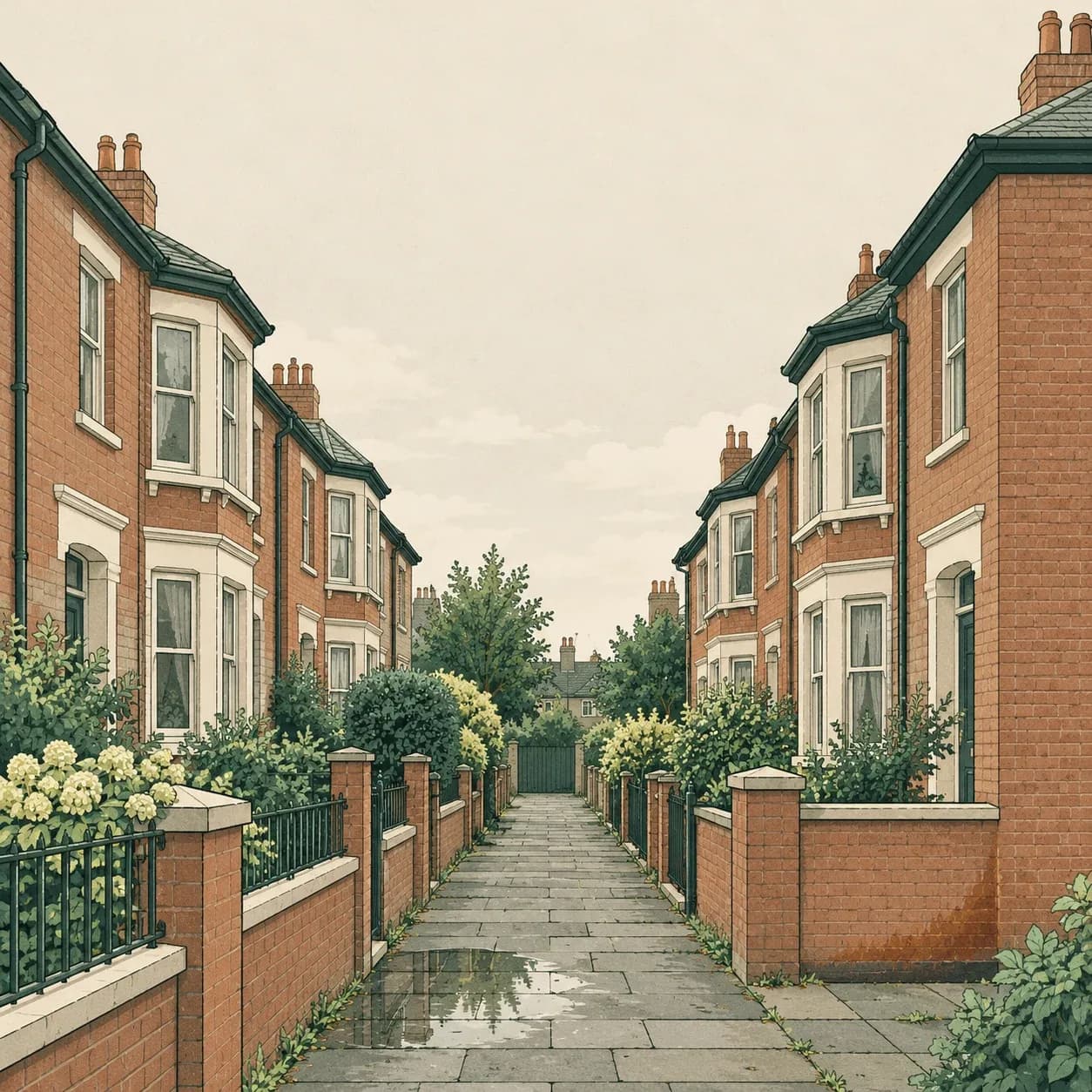
Hull is flat, low-lying and close to the Humber, and much of the city sits near or below high tide level. Its homes are mostly brick: long Edwardian terraces off Hessle Road and Holderness Road, grand villas in the Avenues, and big post-war estates such as Bransholme.
Hull's terraces have a layout of their own. Many face each other across narrow paved paths, also called terraces, with small front gardens and a shared drain. When those paths and drains can't cope with heavy rain, water sits against the base of the walls. White salts and flaking plaster low on a wall are a common sign.
The city flooded badly in 2007, mostly from rainfall that the drains couldn't take away. Flood water in walls and floors needs drying before anything else, and it should be treated separately from condensation or rising damp. In January 2026 Hull and East Riding councils renewed their Healthy Homes campaign with letting agents and GPs, encouraging people to report damp and mould early.
After heavy rain, look at where water collects outside: paths, gullies, downpipes and the ground against the wall. Inside, check whether the damp is low down and salty, which points to ground water, or in cold corners, which points to condensation. A damp survey can tell them apart.
Edwardian brick houses facing each other across narrow paved paths, a pattern found almost only in Hull.
Look out for: Water sitting against walls after heavy rain, and salts and flaking plaster low down.
Larger brick houses in the Avenues and Newland Park, many with cellars and bay windows.
Look out for: Leaking bays and gutters, and damp in cellars.
Council-built houses and flats in Bransholme, Orchard Park and elsewhere.
Look out for: Condensation in bedrooms and bathrooms, and mould behind furniture.
20%of homes in Hull were built before 1919. Across England it is 20%.
Source: Valuation Office Agency, Council Tax stock of properties (opens in a new tab), March 2026
23.9%of households in Hull rent from a private landlord. Across England it is 20.5%.
Source: Census 2021, ONS table TS054 (opens in a new tab), 2021
27%of households in Hull rent from a council or housing association. Across England it is 17.1%.
Source: Census 2021, ONS table TS054 (opens in a new tab), 2021
Free, independent organisations that can help with housing problems, money and keeping warm. They aren't connected to Spore Shield.
Free advice on housing, money and benefits, with an energy team for bills and debts.
Phone 0808 278 7981The council's own leaflets on condensation, damp and mould.
Free housing advice for renters, including what to do when a landlord won't do repairs.
Phone 0808 800 4444Local details checked October 2026.
Probably not. In Hull, damp after heavy rain is usually water collecting outside, from paths, drains or downpipes, and soaking into the base of the wall. Clearing the water away from the wall is the first fix.
Hull City Council and East Riding of Yorkshire Council renewed it in January 2026, working with letting agents, landlords and GPs to get damp and mould reported and fixed early.
Use the council's myHousing app for non-urgent repairs, or phone for emergencies. Under Awaab's Law, significant damp and mould must be investigated within 10 working days.
A professional damp and mould survey with a written report provided for £50.
About Damp & Mould SurveyA three-stage initial damp and mould cleaning and treatment process, including a discounted survey and written report.
About Damp & Mould Cleaning & Treatment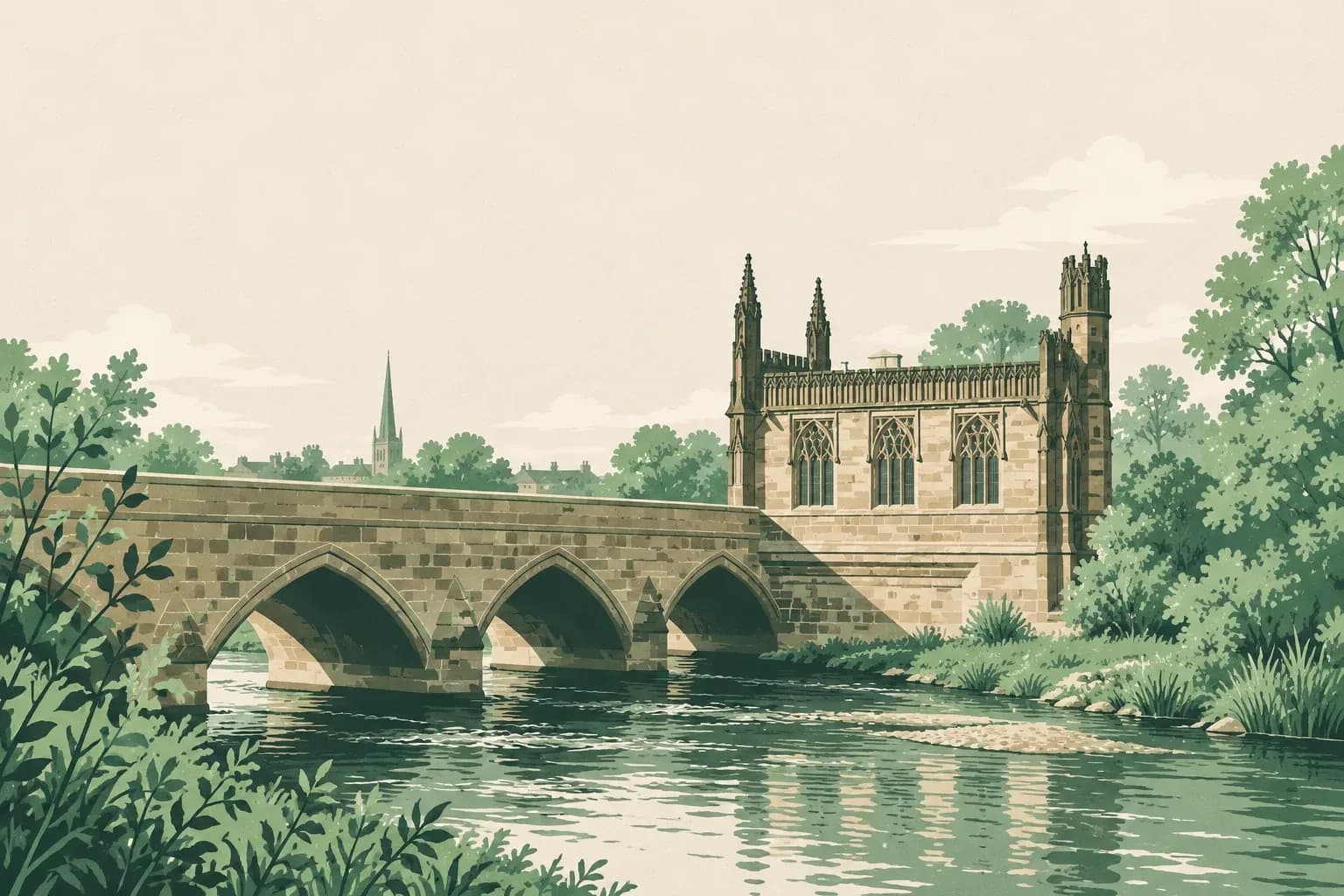

I rent from the council or a housing association
If you rent from the council or a housing association, your landlord has to deal with damp and mould, and the law now sets deadlines for it.
Report the damp or mould to Hull City Council's housing service, through the myHousing app or by phone for emergencies, or your own housing association and ask for a reference number. Photos help.
Under Awaab's Law your landlord must look into significant damp and mould within 10 working days, and start any safety work within 5 working days after that. Emergency hazards are faster.
If it isn't put right, use your landlord's complaints process. If that doesn't work, you can go to the Housing Ombudsman.
Who to contact
Emergency repairs can't be reported online.
If your landlord's own complaints process hasn't put it right.